Cylindrical Precision.
Measured in Tenths.
CNC turning for tight-tolerance cylindrical components — tooling details, inserts, shafts, pins, and bushings in tool steel, carbide, and high-alloy materials. Shops with capacity to take your work.
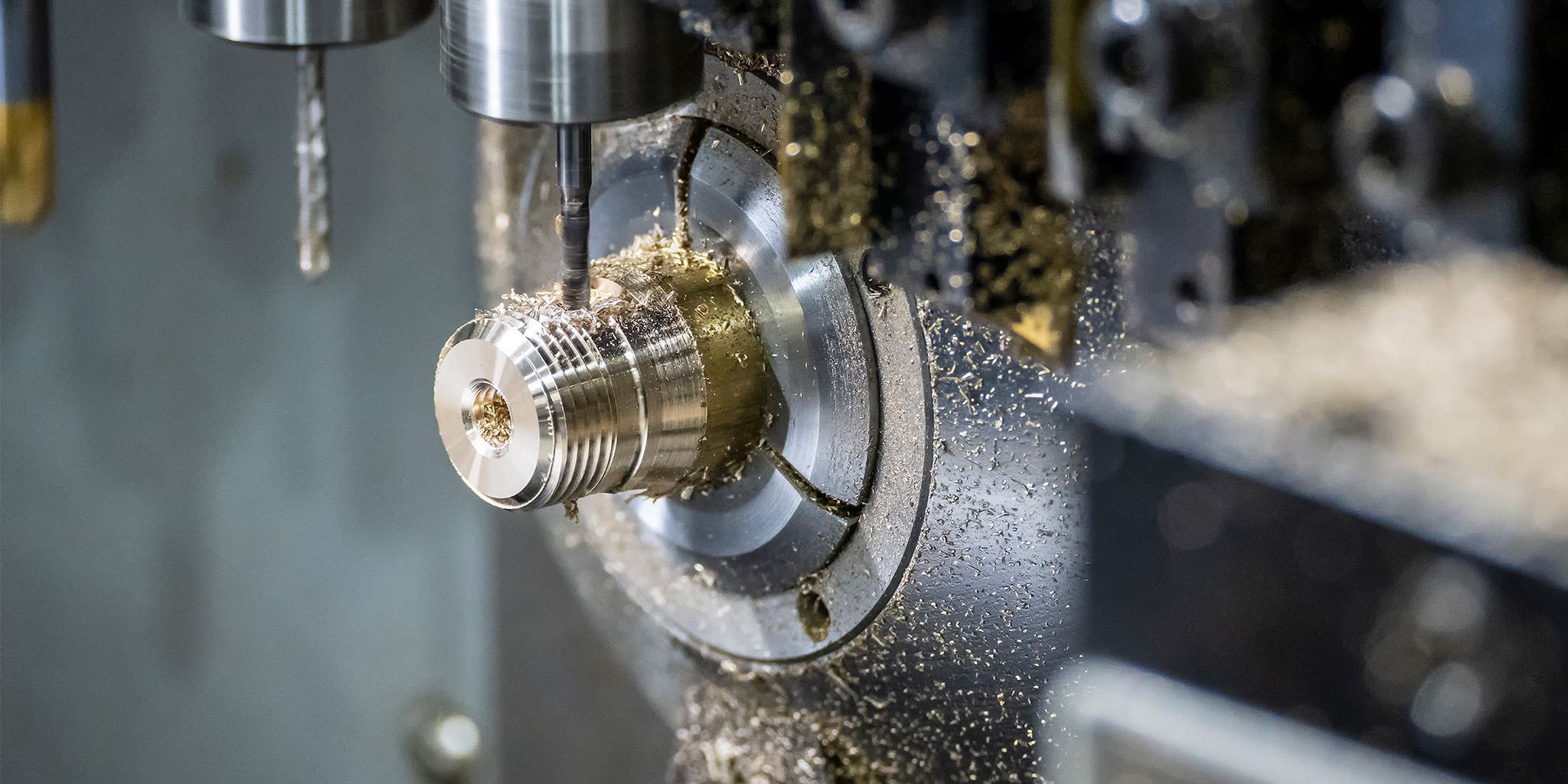
CNC turning produces cylindrical geometry — external diameters, bores, tapers, threads, grooves, and contours — by rotating the workpiece against a stationary cutting tool. It's the foundation process of precision manufacturing. Every fastener, every shaft, every punch and die casing starts on a lathe.
The difference between commodity turning and precision turning is tolerance. A general-purpose shop holds ±0.001". A precision shop holds ±0.0002" on diameters and ±0.0005" on lengths — routinely, in production, on hardened tool steels and carbide. That's the capability this network is built around.
Precision turning also increasingly means live tooling — driven tools mounted in the turret that can mill flats, drill cross-holes, and cut keyways without removing the part from the spindle. This blurs the line between turning and mill-turn, but the distinction matters: a lathe with live tooling is still fundamentally a turning machine. The milling capability is secondary. If the part is primarily cylindrical with a few milled features, a CNC lathe with live tooling is faster and cheaper than a full mill-turn center.
What Makes a Turning Shop "Precision"?
Every shop with a CNC lathe claims precision. These are the things that actually separate the shops that hold tenths from the shops that don't.
The Machine
- Rigid, thermally stable platform — Okuma, Mori, Mazak tier
- Glass scale feedback on all axes, not just encoder
- Spindle runout under 0.0001" TIR
- Turret indexing repeatability under 0.0001"
- Climate-controlled environment or thermal compensation
- Regular maintenance schedule — not "when it breaks"
The Operator
- Understands material behavior — how D2 cuts vs S7 vs carbide
- Knows when to rough and finish in separate operations
- Reads tool wear before it shows up in the dimension
- Adjusts for thermal growth during long production runs
- Measures with calibrated instruments — not just the machine readout
- Has been doing this for years, not months
The most common mistake buyers make when sourcing precision turning is assuming any CNC lathe can hold tight tolerances. The machine matters, but the operator matters more. A skilled machinist on a well-maintained Okuma will outperform a new hire on a brand-new machine every time. When you're evaluating a turning shop, ask how long their operators have been running that specific machine. The answer tells you more than the machine spec sheet.
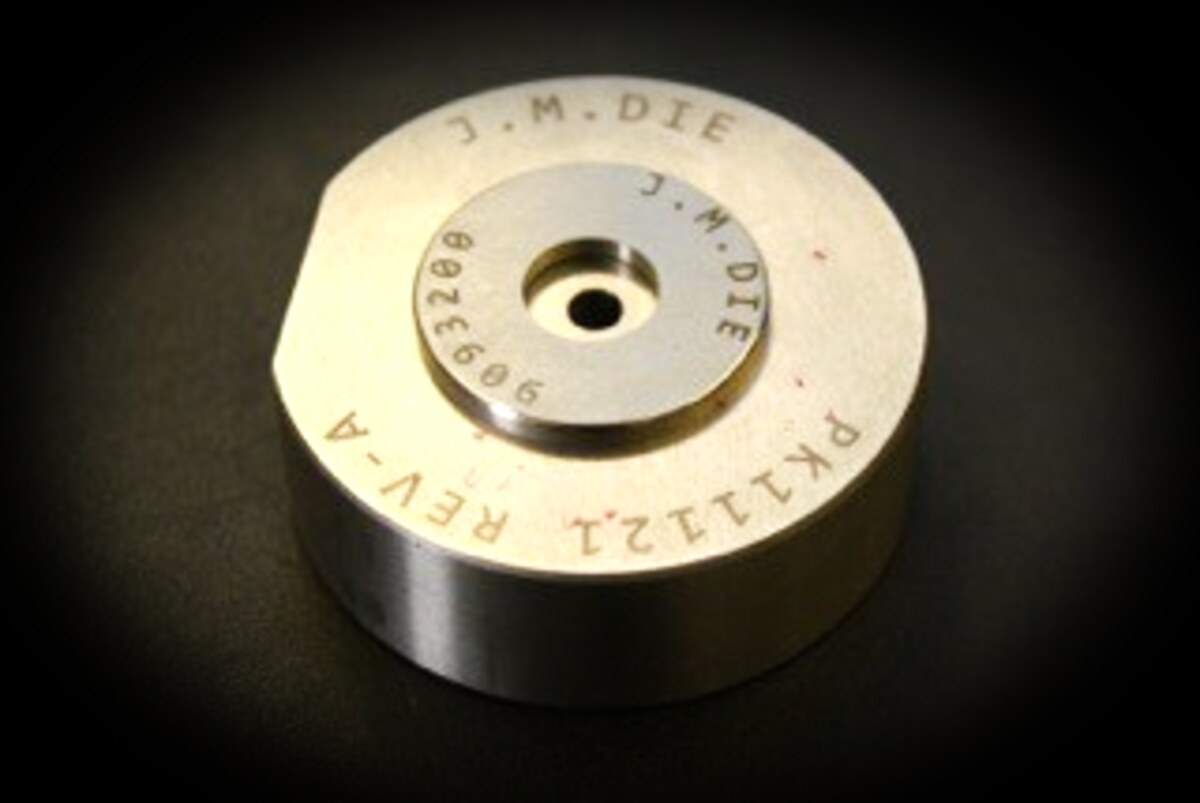
Turning is the simplest machining process to describe and one of the hardest to do well. The difference between ±0.001" and ±0.0002" isn't a better machine — it's a better machinist.
Precision Turning Guides
Everything an engineer or procurement team needs to specify, source, and buy precision CNC turning work.
Tolerance Guide
What to expect on diameters, lengths, concentricity, and surface finish. By material.
Material Selection
D2, S7, M2, A2, H13, carbide, stainless, Inconel. How each turns and what it costs.
Design for Turning
Length-to-diameter ratios, internal vs external features, live tooling considerations.
Cost Drivers
Setup time, cycle time, material, tolerance, quantity. What moves the price.
Live Tooling vs. Mill-Turn
When a lathe with live tooling is enough vs when you need a dedicated mill-turn center.
Applications by Industry
Tooling applications, cold heading dies, aerospace shafts, medical, hydraulic, automotive.